
Why Moisture Is a Serious Threat to Machine-Made Carpets
Moisture is one of the most underestimated yet destructive threats to machine-made carpets. In regions with high humidity, frequent cleaning routines, or temperature fluctuations—such as the GCC, coastal areas, and tropical climates—moisture exposure can significantly shorten a carpet’s lifespan. Unlike visible mechanical damage, moisture-related deterioration often begins silently beneath the surface, affecting the carpet’s fibers, backing, and internal structure long before problems become obvious.
When carpets absorb excess moisture, fibers begin to weaken, adhesives lose bonding strength, and the backing layer becomes vulnerable to microbial activity. This can result in unpleasant odors, discoloration, mold formation, and ultimately structural rot. According to the Textile Preservation Institute, prolonged moisture exposure can accelerate carpet failure by up to 60%, making moisture control a critical concern for exporters, facility managers, and institutional buyers.
For machine-made carpets used in mosques, schools, hotels, and commercial halls—where hygiene and durability are essential—preventing moisture damage is not optional. It is a fundamental part of long-term asset protection.
Understanding How Moisture Causes Carpet Rot
Carpet rot is not caused by water alone, but by the conditions water creates. When moisture becomes trapped within carpet layers, it encourages the growth of mold, mildew, and bacteria. These microorganisms feed on organic residues, adhesives, and even synthetic components over time, weakening the carpet from within.
In machine-made carpets, the backing layer is particularly vulnerable. If moisture penetrates through the pile and remains trapped against concrete or tiled floors, it can degrade latex backing, loosen tuft binding, and cause delamination. In severe cases, carpets may appear intact on the surface while suffering irreversible damage underneath—leading to sudden failure and costly replacement.
Understanding this mechanism highlights why moisture prevention must address materials, installation, environment, and maintenance together—not in isolation.
1. Choose Moisture-Resistant Materials from the Start
The most effective defense against moisture and rot begins at the manufacturing stage. Selecting the right raw materials dramatically reduces the carpet’s ability to absorb and retain moisture. Synthetic fibers, particularly heat-set acrylic yarns, offer excellent resistance compared to natural fibers such as wool or cotton.
Heat-set acrylic yarns are engineered to repel moisture, resist microbial growth, and maintain structural integrity even in humid environments. Their closed fiber structure prevents water penetration, making them ideal for export markets with challenging climate conditions.
Recommended Moisture-Resistant Carpet Components
High-performance carpets designed for humid regions typically include:
- 100% heat-set acrylic yarn with low moisture absorption
- Double-weft or reinforced backing for structural stability
- Anti-microbial latex adhesives that resist degradation
Pamchal carpet company incorporates these materials into carpets specifically produced for high-humidity destinations, ensuring durability throughout transportation, installation, and long-term use.
2. Proper Carpet Installation Is Critical for Moisture Control
Even the highest-quality carpet can fail prematurely if installed incorrectly. One of the most common causes of moisture damage is trapped humidity between the carpet and the subfloor—especially when carpets are installed over concrete, marble, or ceramic tiles.
Improper installation can seal moisture inside the carpet system, creating an ideal environment for mold growth. Professional installation techniques are essential to allow ventilation, manage condensation, and prevent water accumulation beneath the carpet.
Best Practices for Moisture-Safe Installation
To minimize moisture-related risks, installers should:
- Use moisture-barrier underpayments when installing over concrete
- Avoid sealing carpet edges too tightly without airflow considerations
- Maintain minimal air circulation between carpet layers and subfloor
Facilities such as mosques and hotels should rely on installers experienced in large-area carpet installation, as these environments present unique challenges related to humidity and foot traffic.
3. Establish Routine Cleaning and Controlled Drying Protocols
Cleaning is essential for hygiene, but improper cleaning methods are a major contributor to moisture damage. Excessive water usage, combined with insufficient drying, can saturate carpets and gradually weaken their structure.
Facilities must adopt a “clean-and-dry” philosophy—where moisture removal is as important as dirt removal. This approach ensures carpets remain hygienic without compromising longevity.
Effective Cleaning Strategies for Moisture Prevention
Recommended practices include:
- Using low-moisture vacuum cleaning systems
- Applying controlled steam cleaning with immediate drying
- Avoiding soaking carpets for stain removal
After any wet cleaning process, adequate airflow is essential. Pamchal provides detailed care and maintenance guidelines with every shipment, helping clients preserve both hygiene and carpet integrity.
4. Ventilation and Environmental Control in Carpeted Spaces
Environmental conditions play a decisive role in carpet longevity. In enclosed or poorly ventilated spaces—such as basement prayer halls, schools, or hotel corridors—humidity can accumulate even without direct water exposure.
Proper air circulation reduces condensation and helps carpets dry naturally after cleaning or daily use. Climate control systems should be designed with moisture management in mind, not just temperature regulation.
Environmental Measures to Reduce Moisture Risk
Effective solutions include:
- Installing dehumidifiers in high-risk or underground areas
- Using air conditioning systems with humidity control functions
- Allowing natural ventilation during off-hours when possible
These measures are particularly important in regions with high ambient humidity, where moisture buildup can occur even in well-maintained facilities.
5. Anti-Rot and Anti-Fungal Treatments During Manufacturing
One of the most proactive strategies for moisture protection is applying anti-rot treatments during the production process. These treatments provide an additional layer of defense by inhibiting microbial growth and protecting vulnerable carpet components.
At Pamchal carpet company, clients exporting carpets to humid climates can request specialized treatments that significantly enhance resistance to mold and rot. These treatments are applied uniformly and tested to ensure long-term effectiveness.
Available Anti-Rot Manufacturing Treatments
Protective options include:
- Mold-resistant coatings applied to yarn fibers
- Anti-fungal sprays for carpet backing layers
- Sealed edge reinforcement to prevent moisture ingress
When combined with proper installation and maintenance, these treatments greatly reduce the risk of carpet degradation in demanding environments.
6. Storage and Transportation Considerations for Export Carpets
Moisture damage does not only occur after installation—it can begin during storage and shipping. Exported carpets are often exposed to long transit times, temperature changes, and container humidity, especially in sea freight.
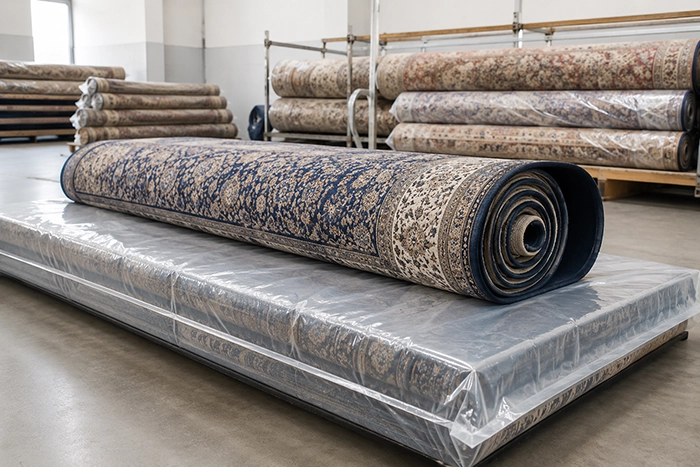
Carpets must be packed using moisture-resistant materials and stored in controlled environments before shipment. Failure to manage moisture at this stage can compromise the carpet before it even reaches its destination.
Pamchal carpet follows strict export packaging protocols, including protective wrapping and humidity control measures, to ensure carpets arrive in optimal condition.
Conclusion – Proactive Moisture Protection Extends Carpet Life
Moisture and rot are silent but serious threats to machine-made carpets, particularly in mosques, schools, hotels, and commercial facilities located in humid regions. Addressing this challenge requires a comprehensive approach—starting with material selection, continuing through proper installation, and supported by effective maintenance and environmental control.
By investing in moisture-resistant materials, professional installation, and preventative treatments, facility managers and buyers can significantly extend carpet lifespan while maintaining hygiene and visual quality. Pamchal’s moisture-resistant carpet solutions are engineered specifically for these conditions, offering durability, reliability, and long-term peace of mind.